
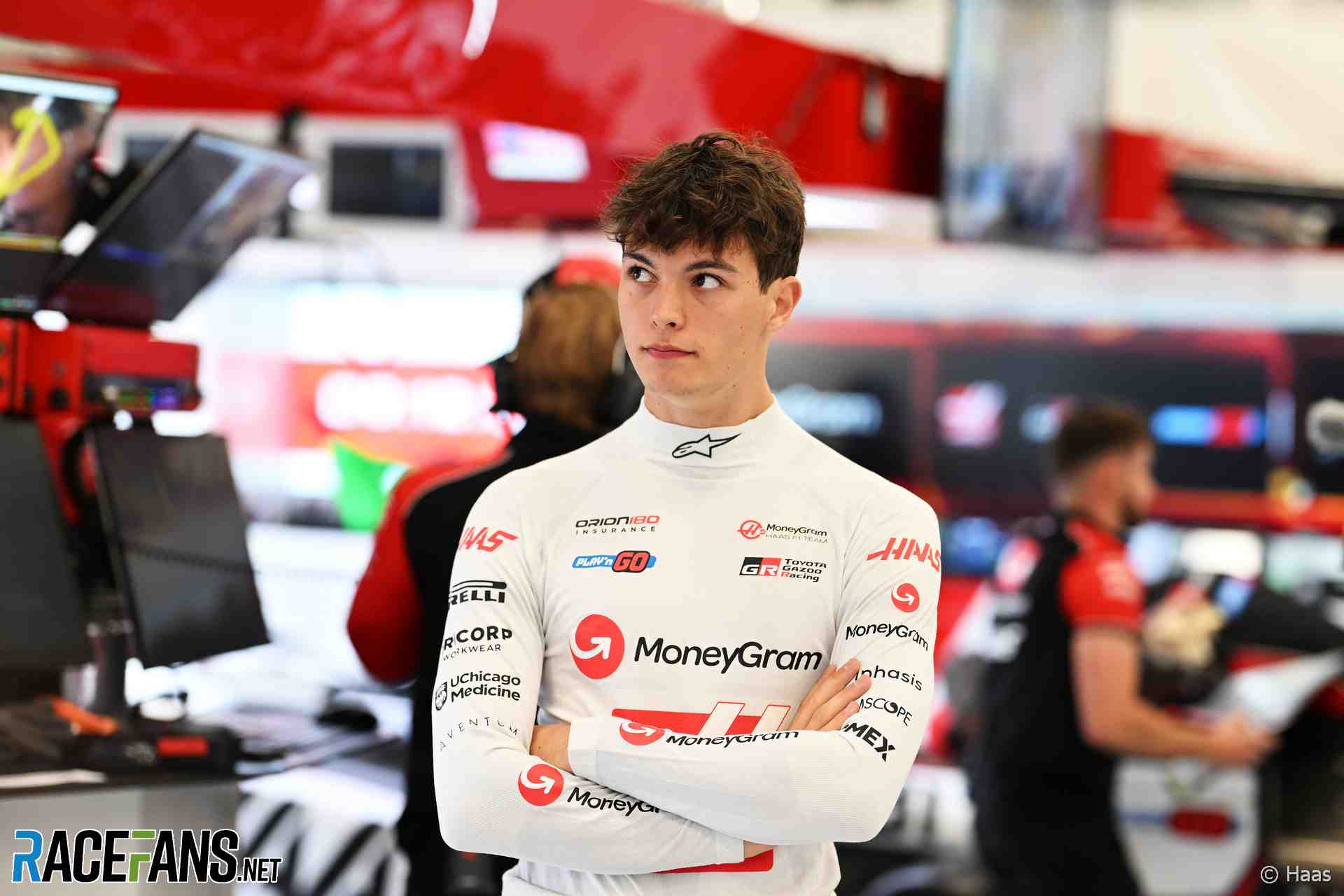
Oliver Bearman's 50G crash at Suzuka is no longer just an incident. It is being treated across the paddock as the moment Formula 1's 2026 regulations stopped being a talking point and started being a safety problem.
The mechanics of the crash are the reason. Approaching the Spoon complex — the fast, committed left-right section where drivers are already carrying big loads — Bearman closed on Franco Colapinto's Alpine at a speed differential that had nothing to do with either driver's cornering ability. Colapinto's car was in a heavy harvesting phase, shedding around 45 km/h of approach speed as the battery recovered energy. Bearman's car was on power. By the time Bearman registered the closing rate, the usable space to avoid contact had already been consumed by the two corners in front of him.
What followed was the 50G impact that the FIA spent last week turning into emergency rule changes for the Miami Grand Prix.
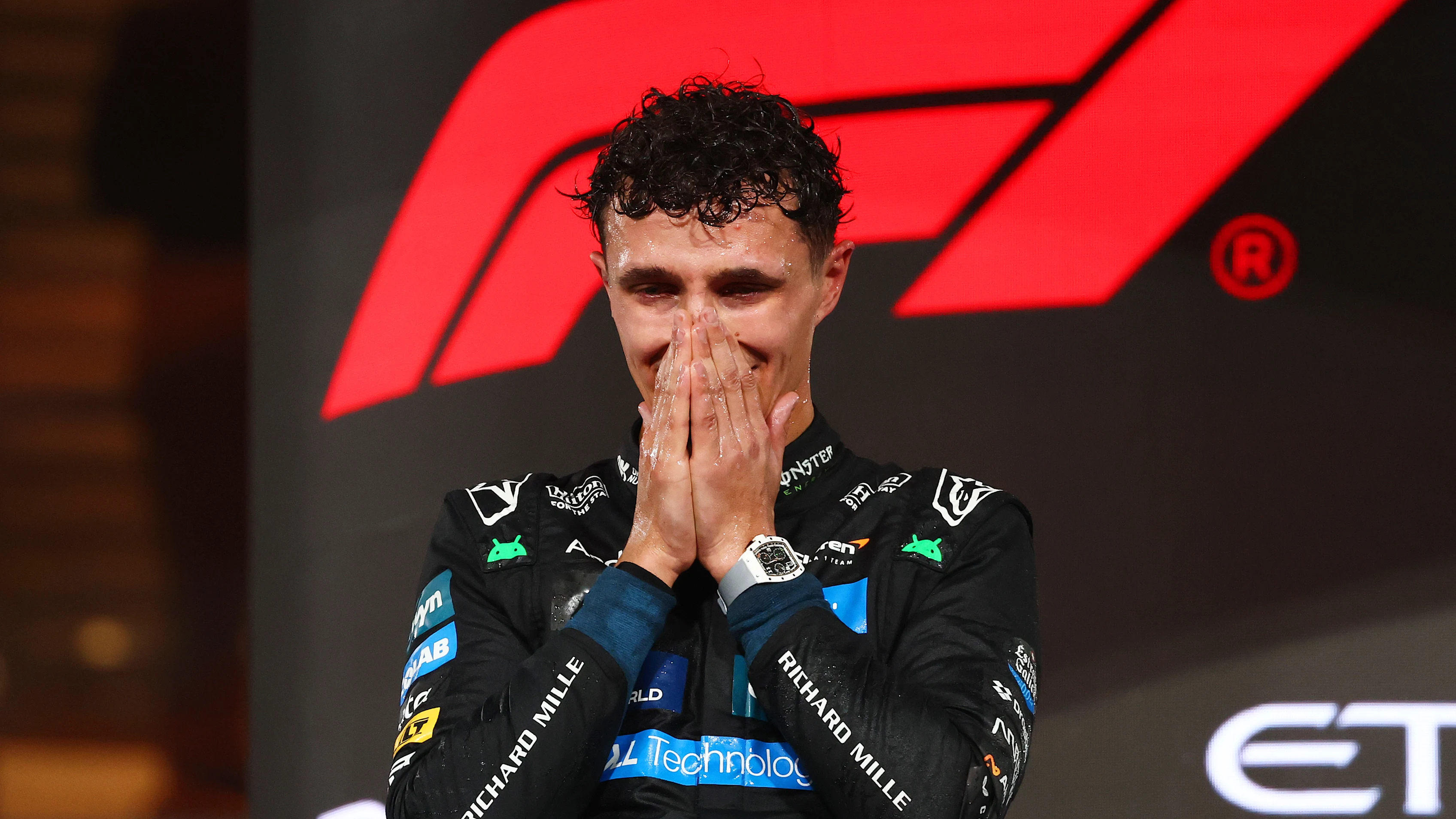
The uncomfortable detail is that drivers have been warning about exactly this scenario since pre-season testing. Fernando Alonso put it most bluntly before Suzuka. "There is no fun. Overtakes now are unintentional," Alonso said. "You find yourself with superior battery to the car in front, and either you crash into them or overtake them. It's more of an evasive maneuver than an overtake."
Alonso's framing has held up almost word for word. Bearman did not attempt to overtake Colapinto at Spoon; he was trying to avoid him. The pass was dictated not by a late lunge or an aggressive line, but by the state of two batteries at a fixed point on the circuit.
This is the specific problem at the heart of the 2026 regulations. Under the new 50/50 power split between combustion engine and electric motor, drivers are forced into harvest windows at particular stretches of the lap to replenish the energy they burn in the overtake zones. Because the harvest windows are circuit- and setup-dependent rather than coordinated between cars, two drivers on back-to-back laps can hit the same braking zone with completely different deployment states. The closing speeds that result are not produced by driving; they are produced by energy management.
The Japanese Grand Prix itself delivered some genuinely encouraging racing — Oscar Piastri's McLaren leapfrogged both Mercedes at the start, and the front end of the grid showed six cars capable of winning a race — but the Bearman incident has become the story the paddock cannot put down. The emergency stakeholder meeting the FIA held last week, and the package of 2026 rule refinements it approved for Miami, was driven in large part by the realisation that the next such closing-speed incident might not end with an empty barrier.
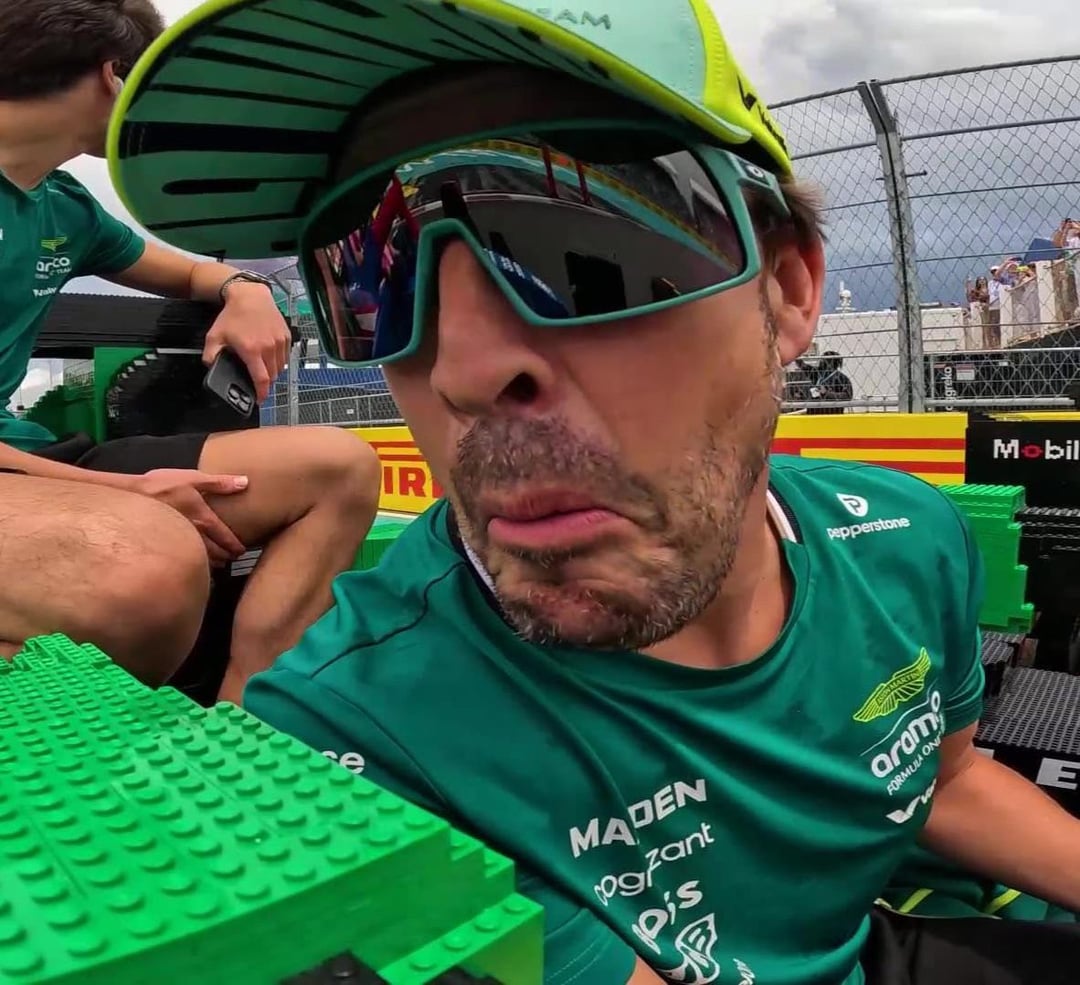
Lando Norris, speaking in the aftermath, captured the frustration among drivers. The McLaren pair has been among the more vocal critics of how little control the cockpit has over energy deployment, and how unpredictable the differentials become at race pace.
What the Miami package will actually change, and whether it removes the specific problem Bearman ran into at Spoon, is the next open question. The tweaks approved at last week's summit target the behaviour of the boost system in the highest-delta scenarios, but the fundamental physics — one car harvesting heavily while another is on full deployment, at the entry to a corner that needs every centimetre of commitment — is not something a mid-season software change removes entirely.
Bearman walked away from 50G. The regulations that produced the crash walked away too. The paddock is not convinced either escape is guaranteed a second time.
---
*Originally published on [NewsFormula One](https://newsformula.one/article/bearman-50g-crash-suzuka-2026-regulations-colapinto-harvest-overtake). Visit for full coverage.*