
Formula 1's plan to overhaul the contentious 2026 power-unit regulations from 2027 has been signed off by the FIA, the teams and the manufacturers. Now comes the harder part: turning the political agreement into a workable technical package without blowing up the cost cap or the calendar.
The headline change is simple. The 50/50 internal-combustion-to-electrical split that has defined the 2026 cars will be rebalanced toward roughly 60/40 in favour of the combustion engine. Fuel flow will be increased to release more ICE output and reduce the energy-deployment swings that drivers have lambasted as 'yo-yo racing' through the opening four rounds of this season. Less battery, more engine, fewer cliffs of horsepower mid-straight.
The challenge buried inside that decision is fuel volume. A higher fuel-flow rate, by definition, requires more fuel onboard to last a 305-kilometre race. The 2026 chassis were designed around tighter packaging for a smaller fuel cell. According to The Race's reporting, as many as half the teams were hoping to carry their current chassis straight into 2027 to amortise development cost. A bigger tank rules that out, forcing an entirely new monocoque programme on teams that had budgeted for evolution rather than revolution.

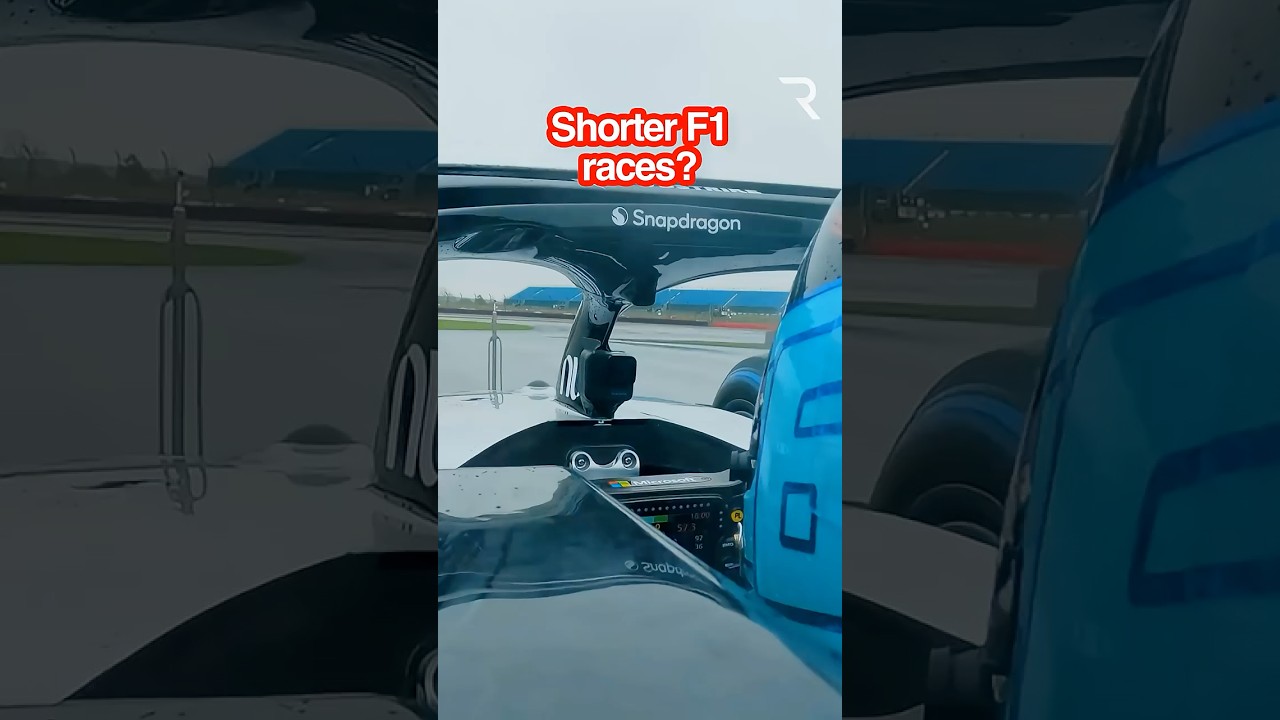
The F1 Commission has therefore been asked to consider three workarounds, none of them clean. Option one is a one-off chassis-cost-cap relief package for 2027, allowing teams to spend above the standard cap to fit a larger fuel cell into a redesigned tub. Option two is reducing race distance by approximately 10 per cent across the calendar, so the existing tank size remains workable at the higher fuel-flow rate. Option three is the half-measure: lift fuel flow only for qualifying, leaving race fuel flow at 2026 levels, which sidesteps the volume problem but creates a two-tier engine map drivers and engineers will have to manage every weekend.
None of those routes are popular. Cost-cap relief offends teams that are already on top of their 2027 chassis budgets and would resist seeing rivals handed extra money. Shorter races concern Liberty Media, whose broadcast pricing is built around an established race-runtime window, and would also reduce strategic variance that has historically punished one-stop dogma. The qualifying-only fuel-flow lift is the cleanest fix on paper but creates a gap between Saturday and Sunday performance that drivers will hate.
Layered on top of this is the so-called ADUO mechanism, the FIA's Additional Development Allowance, which lets teams that are demonstrably behind on power-unit performance run extra dyno hours. Anyone qualifying for ADUO support during 2026 will use those hours to develop hardware aimed squarely at 2027's new fuel-flow and deployment targets. In practical terms, the manufacturers most likely to benefit, Audi and Honda, would be allowed to optimise for the new rules sooner than rivals locked into the standard programme.
That creates a strategic race-within-a-race for the rest of 2026. Falling behind enough to qualify for ADUO buys you a head-start on 2027. Falling that far behind also costs you 2026 race results. Teams now have to make a call: when do you stop developing for the rules you have, and start developing for the rules you will get. F1's 2027 fix has been agreed in principle. The fight over how to pay for it has only just started.

---
*Originally published on [Formula 1 News](https://newsformula.one/article/f1-2027-shorter-races-fuel-flow-cost-cap-relief-engine-rules-chassis). Visit for full coverage.*