
Much of the early narrative around Formula 1's 2026 regulations has run between two poles: drivers complaining about energy deployment, and broadcasters defending the racing they deliver on Sunday afternoons. The Race Podcasts has stepped into that gap with a harder question. If the drivers are genuinely unhappy, how long until the fans feel it too?
In a segment that has circulated widely among F1 commentators, the podcast's host framed current driver dissatisfaction not as temporary grumbling but as a structural issue — one visible in almost every paddock interview since the Australian Grand Prix.
"These drivers — I mean, they still are incredible drivers and athletes, but they're contained," the host said. "They're like caged beasts. That's why they're annoyed."
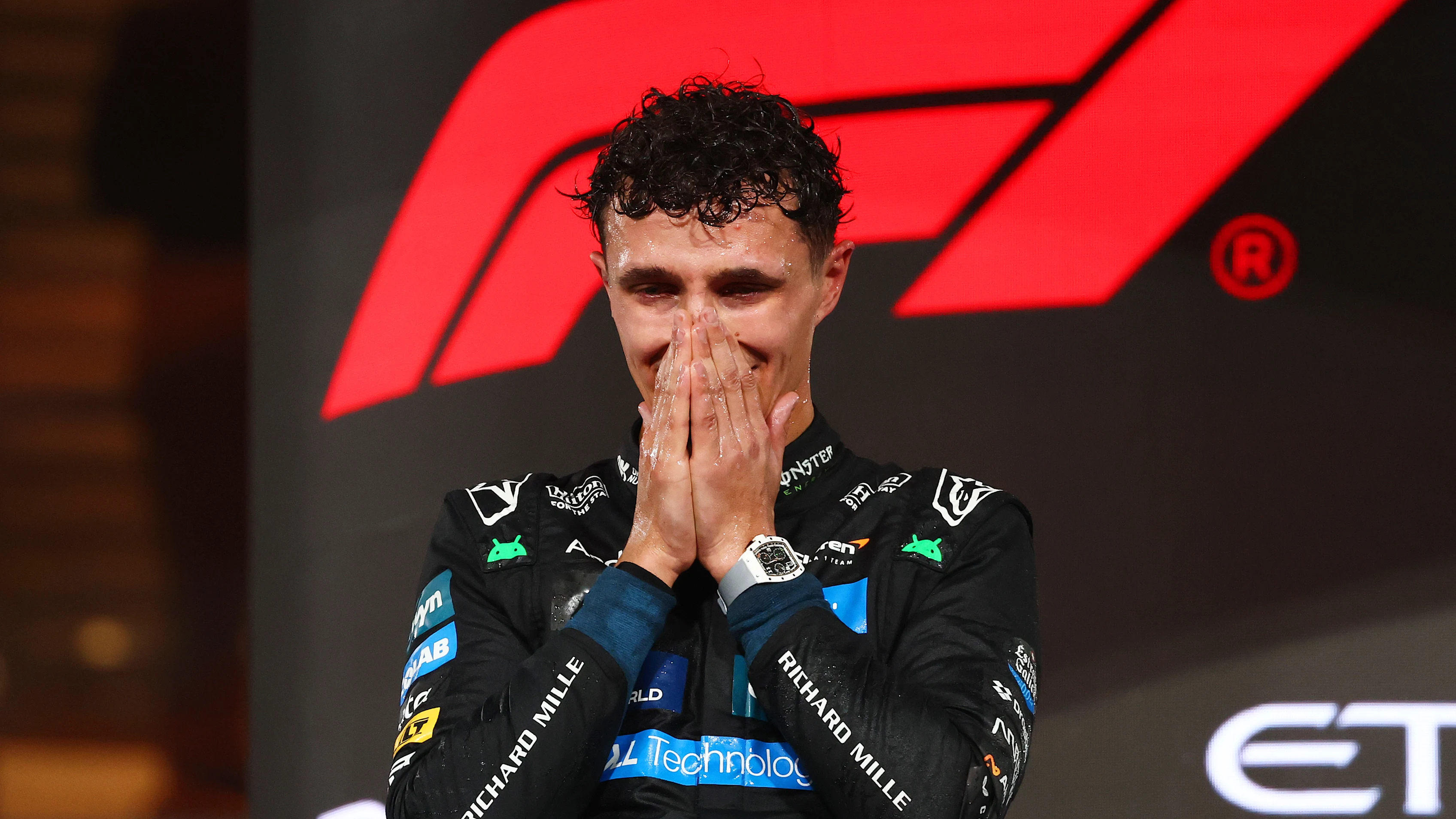
The argument is not that the cars are slow. It is that the regulations now demand a style of driving that runs against the instincts of elite racers. Lando Norris has publicly bemoaned losing the ability to choose when his car deploys energy. Charles Leclerc has called for qualifying rules that let drivers push flat-out in Q3 again. The Race's host sees a straight line from that frustration to an eventual fan problem.
"It affects my enjoyment of everything else," the host said. "For me that's the first-order thing. Whether you like qualifying as much as I used to like it, it's by the by. I still feel like overall that creates a big problem because it will seep into other things. The drivers are not enjoying that bit, but they will start to not enjoy the other bits about it, and eventually that will seep into the rest of Formula 1 and into the fan base as well."
That framing is deliberately uncomfortable for a championship whose defenders have pointed to close-quarters Sunday racing as evidence the rules are working. The podcast's response is a food analogy that has since been quoted by rival pundits.
"To me, it's a bit like gorging yourself on junk food," the host said. "You feel good in the moment. You get an endorphin hit because something exciting is happening. And then when you think about it later, you start to just feel a bit rubbish, like, 'Oh, shouldn't have enjoyed that so much.'"
The second half of the argument is methodological. Opening races under any new rules set tend to produce more on-track chaos than the middle of a season, as teams converge on optimum setups and tyre management hardens. The podcast urged caution about reading too much into two grands prix of sample data.
"I think we have to be careful of almost over-enjoying things we're seeing when it's only two races into a new rule cycle," the host said. "That would always be interesting, exciting to anyone, whether you're new or old to F1."
None of this is an argument for tearing up the rulebook. It is an argument that the FIA's package of Miami tweaks — raising super-clipping power, reducing maximum closing-speed deltas, smoothing the qualifying energy model — needs to do more than patch safety gaps around Oliver Bearman's Suzuka crash. It needs, in the podcast's framing, to give the drivers back a reason to race.
Not every paddock voice agrees. P1 Extra's live reaction to the Japanese Grand Prix was an emphatic defence of the new car, with the host insisting that the racing in Suzuka was the kind many fans had asked for. But the central contention of The Race's argument — that driver sentiment is a leading indicator, not a lagging one — is one F1's commercial rights holders may find hard to dismiss if the grid keeps talking about the cars the way it has so far in 2026.
What to watch next: whether the Miami package changes the tone of driver interviews in the paddock, and whether broadcast numbers show any early softening in fan engagement as the season matures.
---
*Originally published on [News Formula One](https://newsformula.one/article/f1-caged-beasts-warning-driver-frustration-spread-fans). Visit for full coverage.*