
Expect to hear a new acronym around Formula 1’s Monaco weekend and beyond: ADUO. Short for Additional Development and Upgrade Opportunities, it is a catch‑up mechanism built into the 2026 regulations that could meaningfully reshape the competitive order this season.
ADUO gives the FIA scope to grant additional engine development outside the usual cost‑cap constraints if an engine supplier is found to be trailing the benchmark by a defined time deficit. The provision applies to any of the five manufacturers and is designed to allow targeted, mid‑season improvements when performance gaps become too large under the new rule set.
The rationale is straightforward. F1 wanted to avoid a repeat of past cycles where a power unit lagged for years without a viable route to parity. A decade ago, Honda entered late and spent seasons adrift of the class leaders. With Audi joining the grid for 2026 and the regulations framed around more road‑relevant V6 hybrid turbos, the sport sought a safety net to prevent another prolonged mismatch.

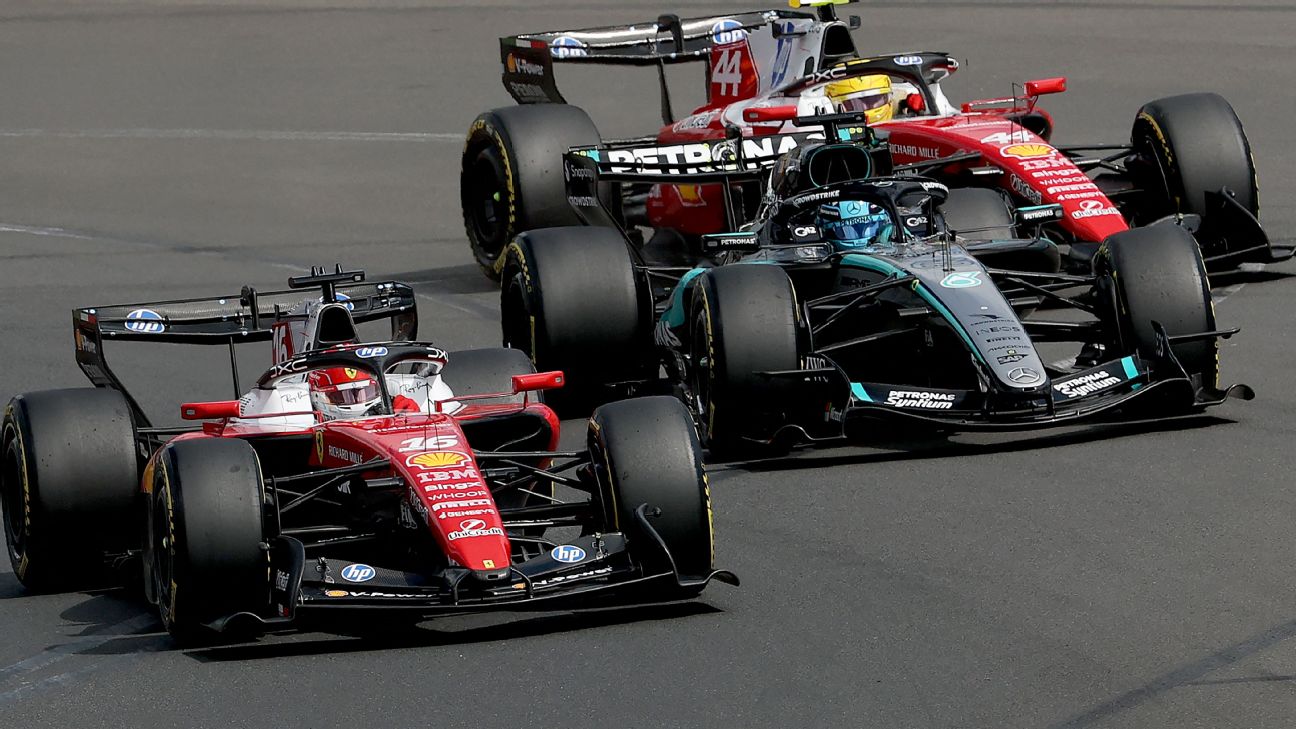
Early form has sharpened the conversation. Mercedes is again the clear benchmark and has finished one‑two in every grand prix this season. Honda is significantly off the pace, with Aston Martin’s struggles underscoring why a catch‑up tool exists. Few in the paddock dispute Honda’s case for help; the live question is whether other chasers — Ferrari, Red Bull and Audi — will also be deemed eligible under the rule.
Crucially, ADUO is time‑boxed. The FIA set three measurement windows to assess power unit performance against the leader and decide whether to unlock extra development. Originally pegged to the 6th, 12th and 18th events of a 24‑race calendar, those windows shifted after the Bahrain and Saudi Arabian rounds were cancelled due to conflict in the Middle East. The revised checkpoints fall after Canada (round 5), Hungary (round 11) and Mexico (round 18).
Canada has now come and gone, meaning the first review window has closed. Attention turns to how the governing body applies its framework and whether any manufacturer will receive additional scope to upgrade before the next assessment points in Hungary and Mexico.
As for how the FIA measures it, ADUO serves as a means of evaluating and ranking the outright performance of each internal combustion engine (ICE) on the grid. If an engine is deemed sufficiently behind the class leader at one of the checkpoints, the rule allows extra development latitude intended to close that gap.
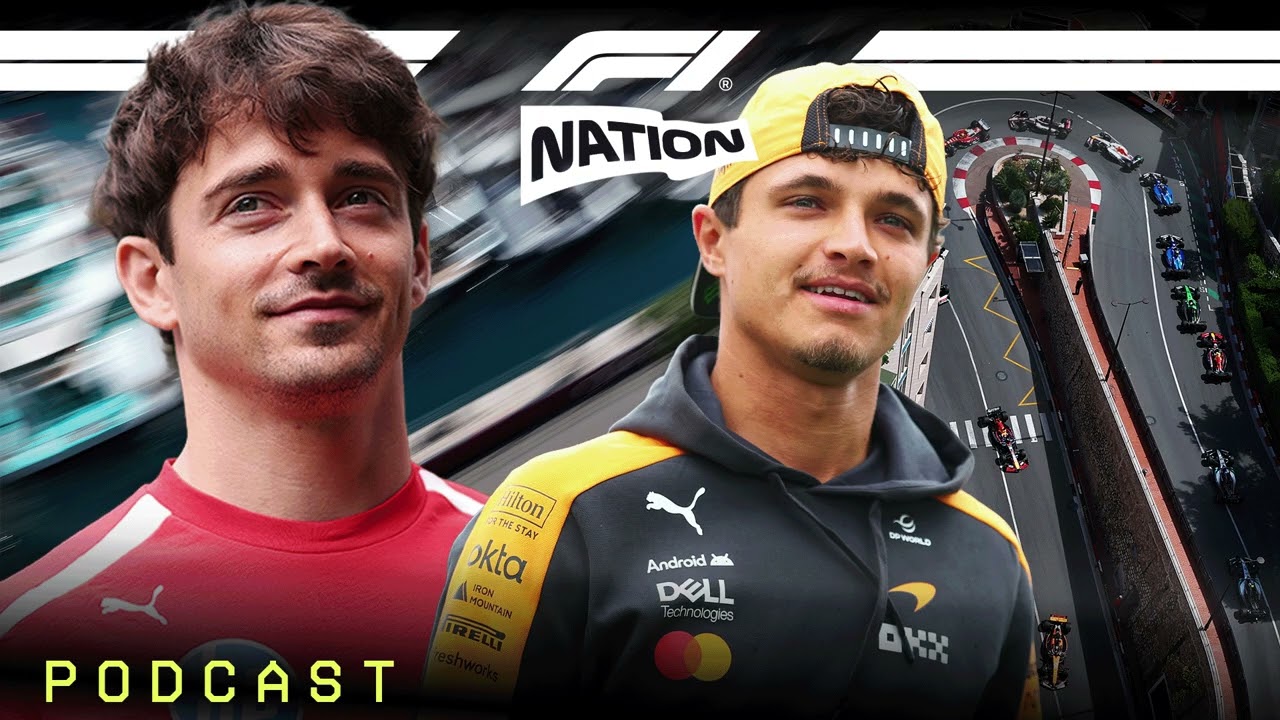
Ferrari’s position has been a prominent subplot. The team has spent much of the season lobbying for the extra upgrade opportunities potentially available through ADUO, a stance that reflects the fine margins at the sharp end and the potential impact of any allowances on the title fight.
What happens next could define the arc of the season. Any ADUO decisions following the Canada window — and the subsequent reviews after Hungary and Mexico — carry the potential to rebalance the pecking order. With Mercedes setting the standard and Ferrari in pursuit, the competitive picture around Monaco and into the mid‑season could pivot on how, and for whom, the FIA chooses to activate this new mechanism.
---
*Originally published on [News Formula One](https://newsformula.one/article/f1-s-aduo-explained-2026-engine-catch-up-rule-and-title-fight). Visit for full coverage.*