
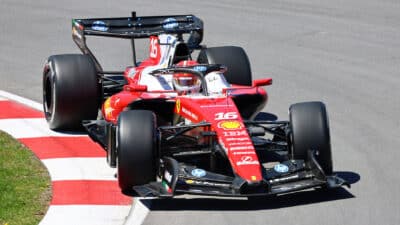
Ferrari’s campaign to close out the year as Formula 1’s benchmark is colliding with two looming rule decisions that could redefine the competitive order. The first phase of the FIA’s ADUO engine equalisation process is imminent, while an anticipated 2027 aero change targeting exhaust-driven devices threatens to undercut a core strength of the SF-24.
The ADUO review is potentially transformative for this season and carries knock-on effects for the proposed 60/40 power-unit regulations slated for 2027 (or potentially 2028). Teams were expecting clarity this week: the five power-unit manufacturers were due to be briefed on the post-Montreal ADUO analysis, including who would receive extra upgrades, dyno time and spending. That outcome now appears delayed by a few days, likely until after the Monaco Grand Prix, as discussions continue.
ADUO is focused solely on the internal combustion engine, not the hybrid system or overall package. Isolating that contribution is complex. The impact of electrical deployment, aerodynamics, chassis characteristics and even driver influence needs to be stripped away, making a clean comparison far from straightforward.
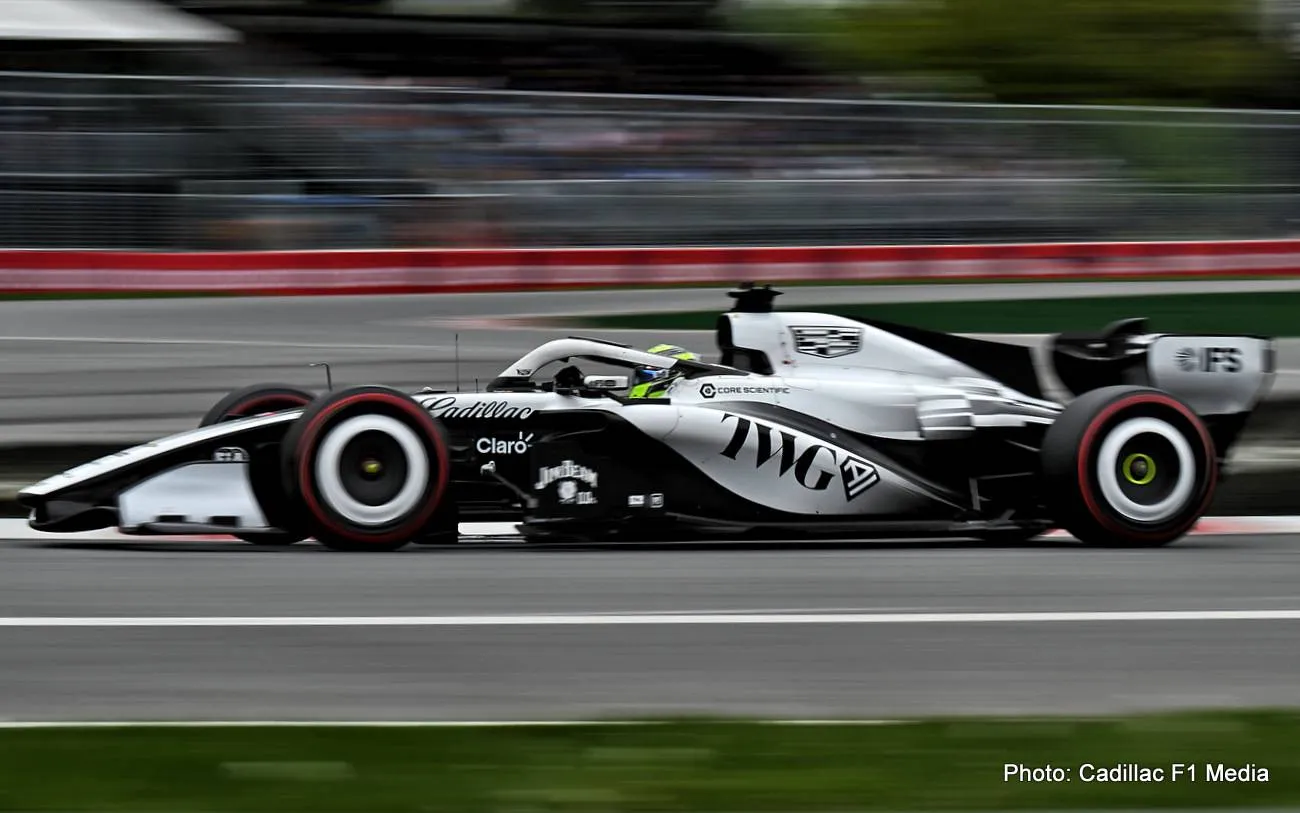
Complicating matters further is the use of an exhaust tailpipe blocker to enhance rear wing performance, a device that alters exhaust back pressure — a key metric in gauging engine output. Ferrari has been at the forefront of this concept and has structured its car around it, notably in rear suspension geometry and gearbox case length. The result has been a cornering strong suit, with the device central to why Ferrari has often been the fastest car through the turns.
Against this backdrop, Ferrari is pinning hopes on ADUO relief. The team scrapped late the power unit it originally intended to race this year and introduced a revised ‘hot engine’ using steel rather than aluminium cylinder heads. As a short-lead corrective, it is at an earlier stage of development than rivals at Mercedes and Red Bull.
If ADUO assesses Ferrari’s internal combustion deficit at more than 4% to the benchmark, the manufacturer expects to be granted two additional upgrade steps. The plan is to halve the shortfall with a package targeted for Austria and then reach parity with a subsequent upgrade, tentatively eyed for Zandvoort. Given Ferrari has averaged just under 0.5sec off Mercedes’ qualifying pace so far, achieving engine parity would suggest at least a level fight — and potentially a swing in the championship picture.
But there is a catch. If F1 proceeds with the 60/40 power split regulations for 2027, all manufacturers face a comprehensive redesign, limiting the benefit of any ADUO-derived gains to roughly half a season. That reality underpins Ferrari’s preference for pushing the new rules to 2028, ensuring any equalisation in 2026 meaningfully carries into the following campaign.

In parallel, an aero ruleset change for 2027 is expected to target exhaust-enhanced aero — often referred to as Flick Tail Mode (FTM). Any ban or restriction would directly hit an area Ferrari has optimised and further entangles the engine-equalisation debate, given the exhaust device’s influence on measured engine parameters.
Together, the prospective ADUO adjustments and a potential FTM clampdown amount to a double jeopardy for Ferrari: short-term engine relief that may expire quickly, and a longer-term aero hit that could remove a key differentiator. The timing of both decisions will do much to decide whether Ferrari’s current trajectory culminates in sustained front-running form or is curtailed by regulation.
What to watch next: the FIA’s ADUO determinations and whether Ferrari is granted two upgrade steps; clarity on the 60/40 power-unit timeline for 2027 versus 2028; and any formal move to restrict or ban exhaust-driven aero that underpins Ferrari’s cornering edge.
---
*Originally published on [Newsformula One](https://newsformula.one/article/ferrari-faces-twin-threats-as-f1-weighs-engine-aero-shifts). Visit for full coverage.*