
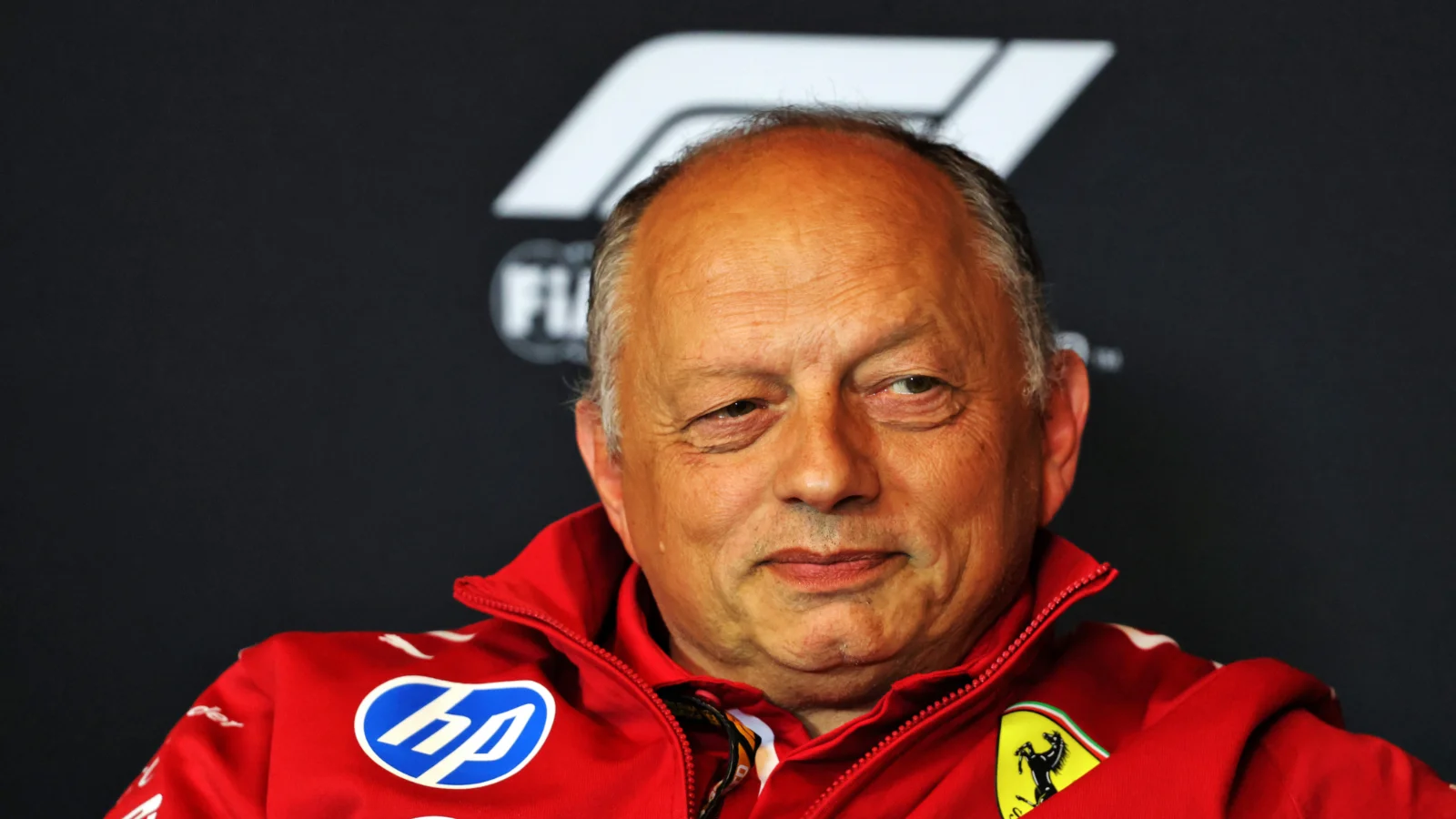
Ferrari's flexible trailing edge module - the FTM exhaust solution that has quietly become one of the most-copied design trends on the 2026 grid - is now the centre of a regulatory tug-of-war that could push Maranello toward the most politically charged tool in its commercial agreement: the historic veto over Formula 1 technical rules.
Reports from The Race this week claimed the FIA is preparing to outlaw the FTM concept - and the assorted derivatives developed by rival teams over the winter - from the start of the 2027 season. Ferrari, according to the same reports, is already deep into a more aggressive evolution of the system for its in-development Project 679 chassis.
The complaint inside Ferrari is not the principle of regulation. Successful innovations have been outlawed before, from Brabham's fan car to Williams's active suspension and Renault's mass damper. The complaint is the timing, and the company it is keeping.
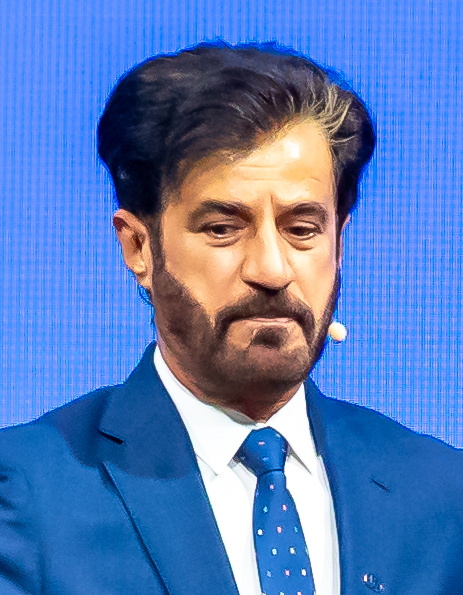
The FIA is also currently weighing how generously to apply its ADUO power-unit catch-up scheme. Audi and Honda - both visibly off the pace of Mercedes and Ferrari in the opening four races - have been earmarked for the largest catch-up allowances. If Ferrari ends up watching its trailing-edge concept disappear at the same time as rival manufacturers receive extra dyno hours and an extra $11 million of upgrade headroom, the team would face a double squeeze on the two areas where it currently leads the field.
That is the case being made publicly by the Scuderia Fans editorial column on Friday, which framed the matter starkly. 'The era of diplomacy is over,' the piece argued. 'Ferrari must stand its ground and be prepared to use its historic veto power.'
Ferrari's veto - a leftover from the Enzo Ferrari era and re-confirmed in the team's most recent Concorde Agreement extension - allows it to block changes to the technical regulations that affect its competitive position. It has been talked about often, brandished rarely, and used almost never. The political cost of using it is high; Maranello prefers to be seen as a partner of the FIA rather than its opponent. The sporting cost of not using it, when the regulator is simultaneously pulling away an aero advantage and handing rivals a power-unit lifeline, may now be higher.
Fred Vasseur has not addressed the FTM ban head-on, but his comments through the Miami weekend - on the FIA's appetite for in-season tweaks and on Ferrari's worst race-pace performance of the year despite carrying the biggest pit-lane upgrade - have telegraphed a level of frustration unusual for the French team principal. 'Now the target is Mercedes,' he said after Hamilton's first podium for the team last week. The next ten days will determine whether the target is Mercedes alone, or also the FIA.

The FIA's next World Motor Sport Council meeting is the formal venue for the FTM proposal, with team consultation expected before then. Ferrari's options are familiar: lobby quietly through its representative on the F1 Commission, lean on its allies among the engine manufacturers, or - for the first time in over a decade - put the veto on the table. None of those routes is cheap. But the alternative, Scuderia Fans argued in its column, is watching the team's two strongest 2026 cards taken away in the same regulatory cycle.
For a team that has spent the past two years rebuilding around Lewis Hamilton, Charles Leclerc and the long-promised return to title competition, that is not a calculation Maranello can put off much longer.
---
*Originally published on [News Formula One](https://newsformula.one/article/ferrari-ftm-exhaust-fia-ban-2027-veto-power-vasseur-project-679). Visit for full coverage.*