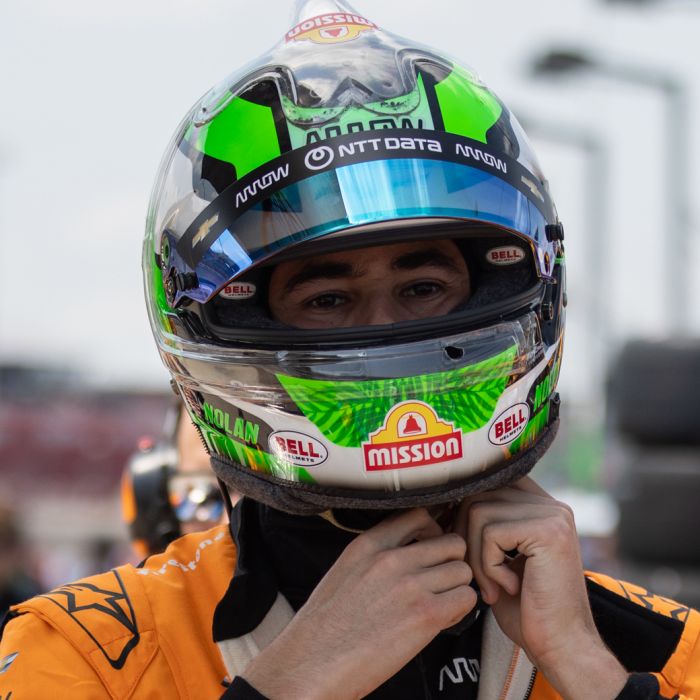
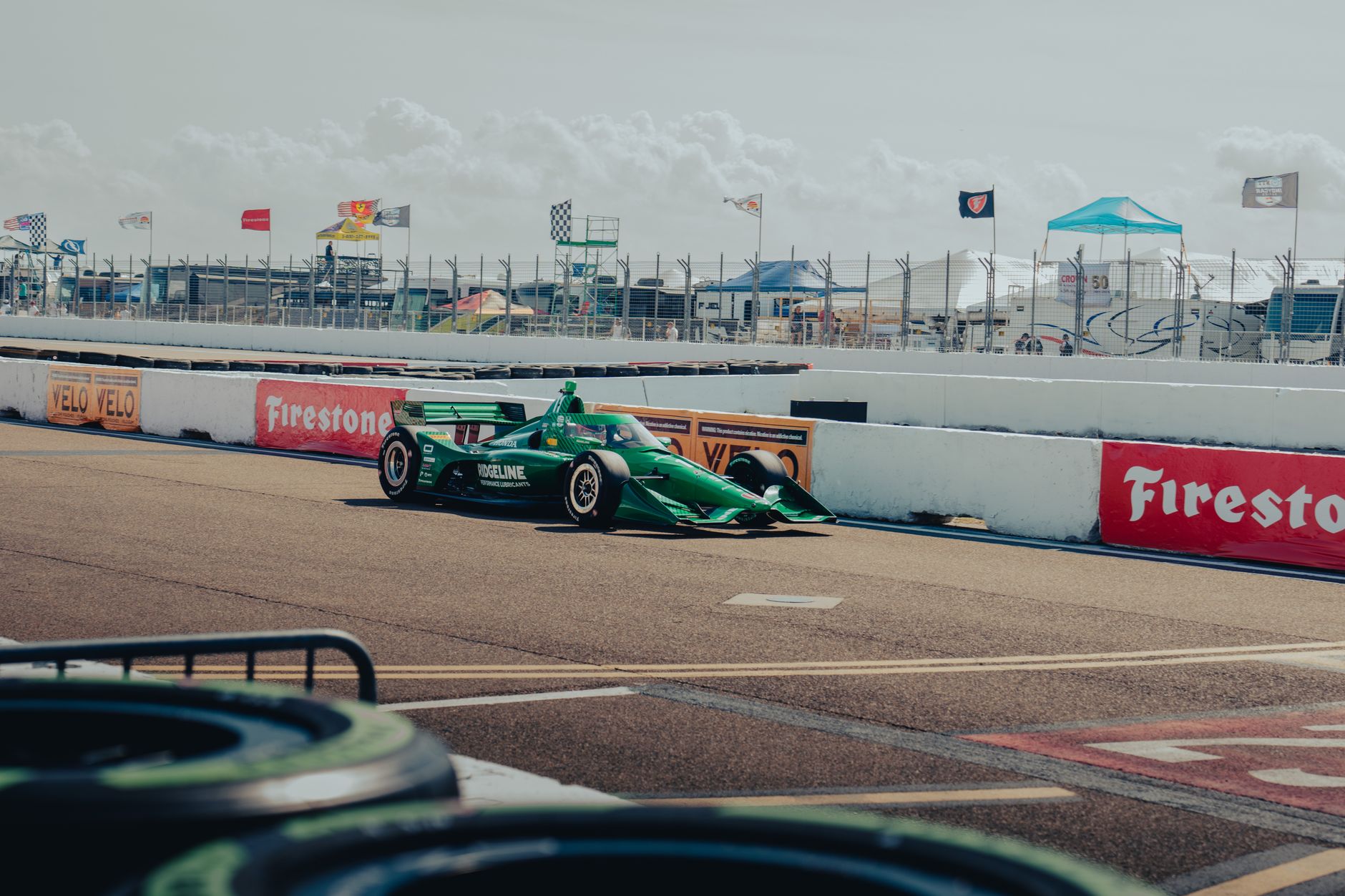
At just 19 years old, Nolan Reid Siegel represents the new generation of American open-wheel talent making waves on motorsport's biggest stages. The California native has quickly established himself as one of the most promising young drivers in contemporary racing, culminating in his 2024 IndyCar Series debut with Arrow McLaren SP behind the wheel of the No. 6 Chevrolet.
Siegel's rapid ascension through the motorsport ranks reads like a masterclass in modern driver development. Born on November 8, 2004, he began his professional racing journey in 2019 at age 14, making select appearances in both the Formula 4 United States Championship and the USF2000 Championship – a bold dual-series approach that demonstrated his ambition from the outset.
His initial foray into Formula 4 came at the season finale at Circuit of the Americas with Jay Howard Driver Development, where he immediately showed promise with top-ten finishes in both races. This early success provided the foundation for what would become a methodical climb through America's premier open-wheel ladder system.
Race Results
The USF2000 Championship became Siegel's primary focus, serving as his proving ground over three crucial developmental seasons. His 2019 rookie campaign with Newman Wachs Racing yielded valuable experience despite a challenging 15th-place championship finish. The following year brought significant progress as he switched to Jay Howard Driver Development, securing two podium finishes at Mid-Ohio and improving to 13th in the standings – clear evidence of his rapidly evolving racecraft.
Looking Ahead

The 2021 season marked Siegel's breakthrough in USF2000. Moving to DEForce Racing, he captured his maiden victory in the third race at New Jersey Motorsports Park, demonstrating the killer instinct that separates genuine prospects from mere participants. His eighth-place championship finish that year represented substantial progress and caught the attention of senior team personnel throughout the paddock.
What truly sets Siegel apart from his contemporaries, however, is his remarkable versatility across racing disciplines. While many young drivers focus exclusively on single-seater progression, Siegel has proven equally adept in sports car racing – a skill set that paid dividends in spectacular fashion during 2024.
His triumph at the 24 Hours of Le Mans represents one of the most impressive debuts in recent endurance racing memory. Competing in the LMP2 class with United Autosports on his first attempt at the legendary French circuit, Siegel demonstrated the maturity and consistency required to excel in motorsport's most demanding arena. The Le Mans victory not only showcased his adaptability but also provided invaluable experience in high-pressure, high-profile racing situations – experience that translates directly to IndyCar competition.
Career Journey
The transition to IndyCar with Arrow McLaren SP represents both a natural progression and a significant leap forward in Siegel's career trajectory. Arrow McLaren has established itself as one of the series' most competitive and professionally operated teams, providing an ideal environment for young talent to flourish. The organization's commitment to driver development, combined with their technical resources and competitive machinery, offers Siegel the platform necessary to compete at IndyCar's highest level.
Driving the No. 6 Chevrolet, Siegel enters IndyCar without the pressure of immediate statistical achievements. His current tally of zero championships, wins, podiums, poles, and points reflects his rookie status rather than any deficiency in ability. This clean slate approach allows him to focus entirely on the learning process while building toward future success.
Siegel's journey exemplifies the modern path to IndyCar success – a combination of traditional ladder system progression, diverse racing experience, and strategic career management. His ability to compete successfully across different racing disciplines suggests the adaptability that has become increasingly valuable in contemporary motorsport.
The timing of his IndyCar arrival appears particularly fortuitous. American open-wheel racing is experiencing renewed popularity and competitive depth, providing an ideal backdrop for emerging talent to establish themselves. Siegel's combination of youth, proven ability, and high-profile recent success positions him perfectly to capitalize on this momentum.
His development trajectory mirrors that of other successful American drivers who have leveraged diverse racing experience into IndyCar success. The Le Mans victory, in particular, demonstrates his ability to perform under intense scrutiny – a skill that will prove invaluable during IndyCar's demanding season schedule.
Looking ahead, Siegel's rookie IndyCar campaign will likely focus on consistent performance and steady improvement rather than immediate statistical success. His youth provides the luxury of time to develop, while his proven ability suggests that competitive results will follow naturally as he adapts to IndyCar's unique challenges.
The broader implications of Siegel's career extend beyond individual achievement. As American motorsport continues to develop homegrown talent, drivers like Siegel represent the future of domestic open-wheel racing. His success could inspire the next generation of American drivers while demonstrating the effectiveness of the current developmental pathway.
For Arrow McLaren SP, Siegel represents both present opportunity and future investment. His combination of talent, marketability, and proven performance under pressure makes him an ideal candidate for long-term team building. As the organization continues establishing itself among IndyCar's elite, developing young talent like Siegel becomes crucial for sustained competitiveness.
Nolan Siegel's story is still being written, but the early chapters suggest a narrative of exceptional promise and strategic development that could define American open-wheel racing for years to come.