
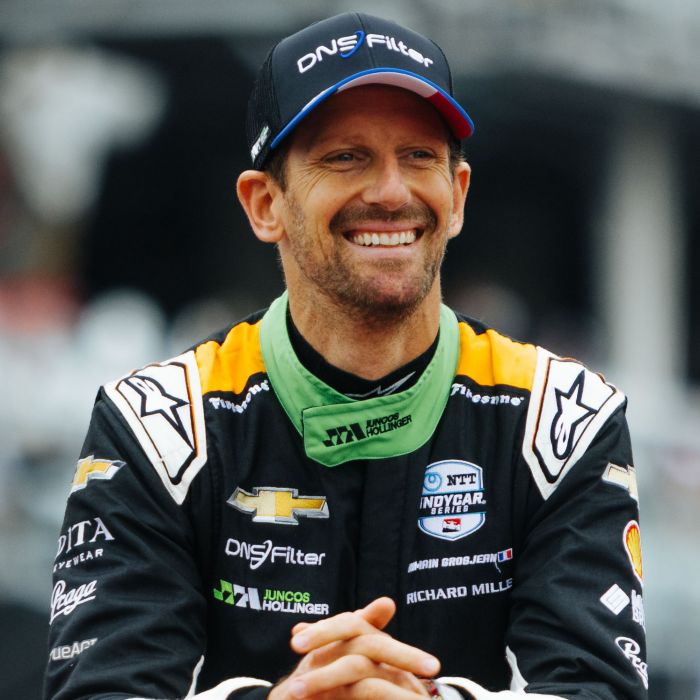
Few drivers in modern motorsport have experienced the dramatic highs and lows that have defined Romain Grosjean's career. The French-Swiss driver, who competes under the French flag, has carved out a unique place in racing history through his remarkable journey from Formula One survivor to IndyCar competitor.
Born on April 17, 1986, Grosjean's ascent through motorsport's junior categories was nothing short of meteoric. His dominance of the 2005 French Formula Renault championship at his first attempt immediately caught the attention of the Renault young driver programme. This early success proved to be a harbinger of things to come, as Grosjean continued his winning ways by claiming the 2007 Formula 3 Euro Series drivers' championship.
The transition to GP2 marked another significant milestone in Grosjean's career. In 2008, he became the inaugural GP2 Asia Series champion, demonstrating his adaptability to different racing formats and establishing himself as one of the most promising talents in the feeder series. His GP2 career would prove to be historically significant – after a brief Formula One debut with Renault in 2009, where he made his first appearance at the European Grand Prix, Grosjean returned to junior formulae following his departure from the French manufacturer.
Championship Implications
What followed was a remarkable period of dominance in the GP2 hierarchy. Grosjean secured the 2010 Auto GP championship at his first attempt, showcasing his ability to master new categories quickly. However, his most impressive achievement came in 2011 when he accomplished something unprecedented in GP2 history. Grosjean became the first – and remains the only – driver to win both the GP2 Asia Series and the main GP2 Series in the same year, holding both titles simultaneously. This double championship victory, combined with his earlier 2008 GP2 Asia Series triumph, made him the first and only two-time GP2 Asia champion.
By the Numbers

This exceptional performance in the junior categories earned Grosjean a return to Formula One in 2012 with the Lotus F1 Team, where he was paired with former world champion Kimi Räikkönen. The partnership proved fruitful, with Grosjean securing his maiden Formula One podium at the 2012 Bahrain Grand Prix and recording his first fastest lap at the Spanish Grand Prix the same year.
Race Results
However, Grosjean's 2012 season was also marked by controversy. His involvement in a multi-car pile-up at the Belgian Grand Prix resulted in him becoming the first driver since 1994 to receive a race ban, highlighting the fine line between aggression and recklessness in Formula One racing.
The 2013 season saw Grosjean mature as a driver, remaining with Lotus and securing six podium finishes – a career-best tally that demonstrated his growing consistency at the highest level. He continued with the Enstone-based team through 2014 and 2015, partnering with Venezuelan driver Pastor Maldonado, before making the switch to the American Haas F1 Team for the 2016 season.
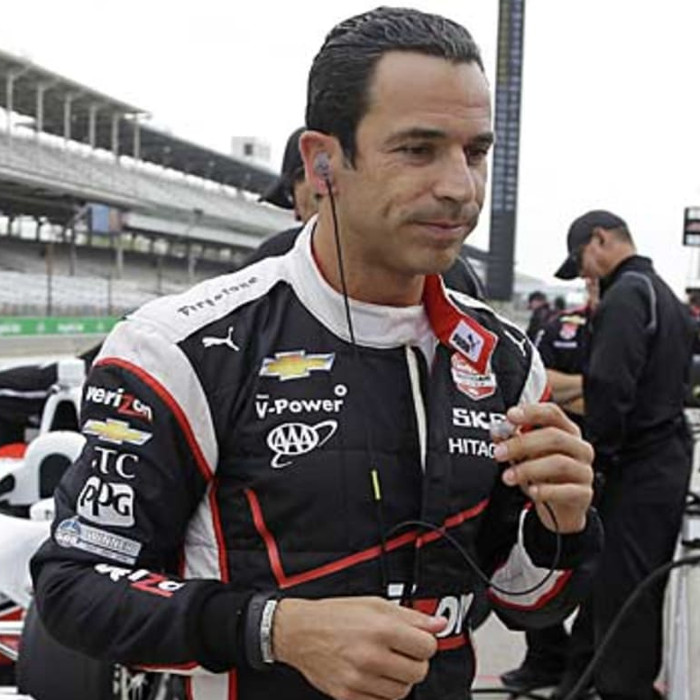
Grosjean's five-year tenure with Haas from 2016 to 2020 represented the longest stint of his Formula One career. During this period, he became a reliable points scorer and played a crucial role in establishing the team's credentials as a midfield competitor. However, it was his final Formula One race that would define his legacy in the sport.
The 2020 Bahrain Grand Prix will forever be remembered for one of the most dramatic crashes in Formula One history. On the opening lap, Grosjean's Haas car penetrated a metal guardrail, split in two, and burst into flames. The horrific incident could easily have been fatal, but Grosjean's survival, with only minor burns, was attributed to modern safety innovations, particularly the halo cockpit protection device. His own testimony about the halo saving his life became a powerful endorsement of the controversial safety feature.
This life-changing incident marked the end of Grosjean's Formula One career, but rather than retiring from motorsport entirely, he chose to embark on a new adventure in the United States. His transition to the NTT IndyCar Series represents a fascinating new chapter, though characteristically cautious given his recent experiences, Grosjean initially opted not to compete in oval races.
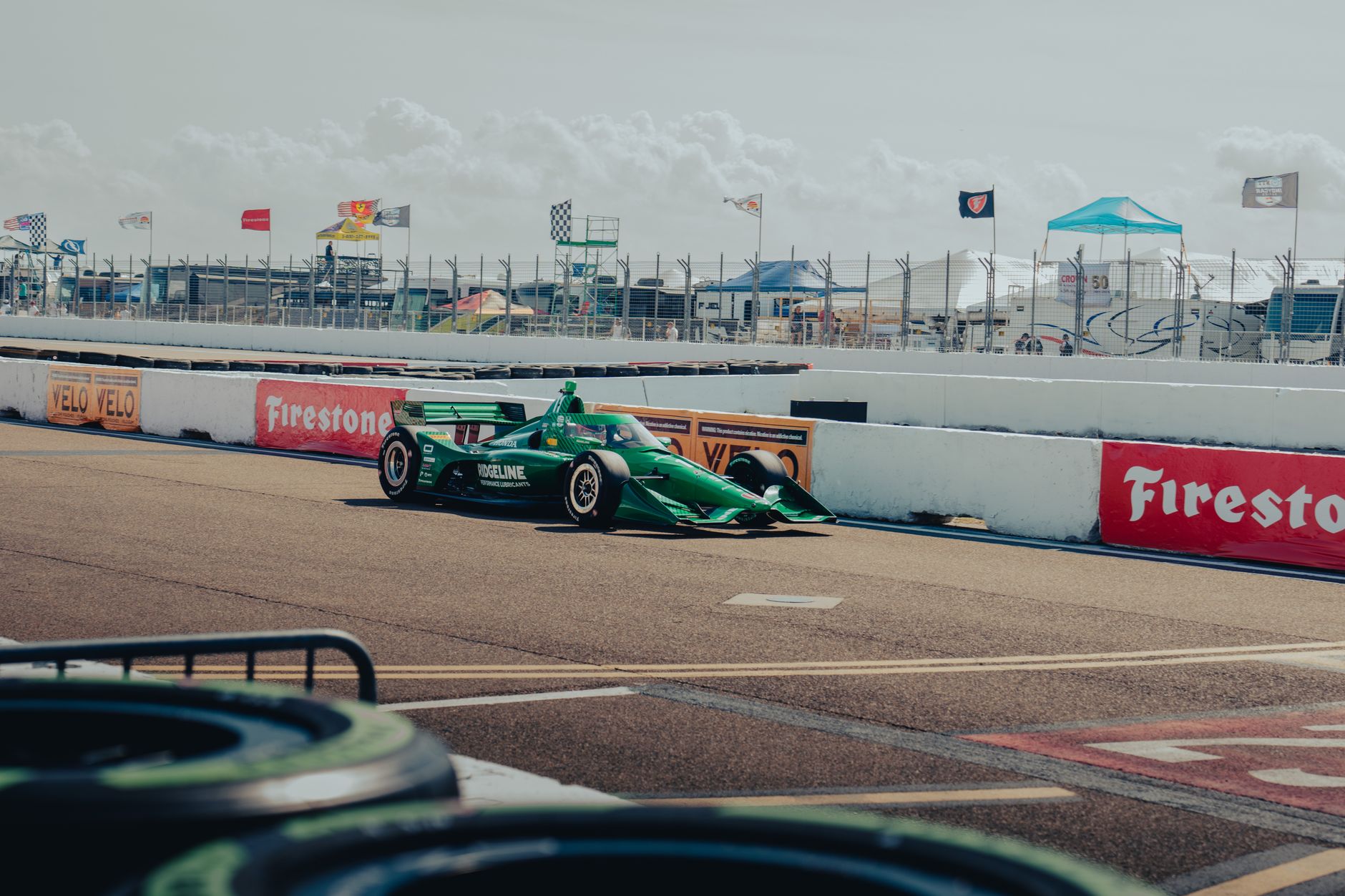
Currently driving the No. 51 Chevrolet for Dale Coyne Racing, Grosjean brings a wealth of experience to the American open-wheel series. While his IndyCar statistics currently show zeros across the board – no wins, podiums, poles, or points – this reflects the early stage of his American racing journey rather than any lack of capability.
Grosjean's career trajectory from GP2 champion to Formula One survivor to IndyCar competitor illustrates the evolving nature of modern motorsport careers. His willingness to embrace new challenges, even after experiencing one of motorsport's most terrifying accidents, speaks to the determination and resilience that have characterized his entire career.
As he continues to adapt to the unique demands of IndyCar racing, Grosjean carries with him not just extensive technical knowledge and racecraft honed over more than a decade at motorsport's highest levels, but also a profound appreciation for the privilege of competing in professional racing. His story serves as both a testament to modern safety technology and an inspiration for perseverance in the face of adversity.