
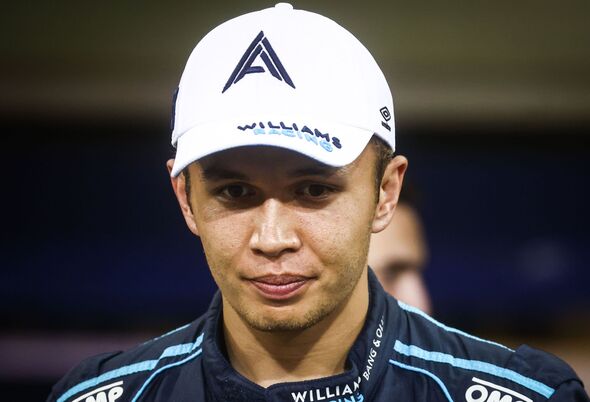
Williams' 2026 season has produced one of the strangest visual stories of the new regulation era. The team's car has repeatedly lifted an inside front wheel through medium and high-speed corners, generating onboard footage that looks more like a karting circuit than a Formula 1 race. The on-grid analysis has been noisy. The Race's verdict, however, points at three specific engineering choices, and they are all things Williams can change.
The Race identifies Williams as having weight, speed and three-wheeling issues with their 2026 car, and lays out the diagnosis bluntly. The publication suggests excessive roll stiffness, aggressive ride height, and simulation-versus-reality differences as the primary candidates for what is causing the inside wheel to leave the tarmac. Each of those three is a deliberate choice rather than a manufacturing flaw, and that is what makes the problem so frustrating for the engineers in Grove.
Excessive roll stiffness is the most direct cause. When a Formula 1 car is set up too stiff in roll, the inside wheel cannot fully load through quick changes of direction. The tyre breaks contact with the road in extreme cases, particularly over kerbs and crests, and the car becomes noticeably twitchy in moments where rivals look planted. Williams' choice to run that level of stiffness was a downforce decision; soft suspension hurts the floor performance that defines the new regulations. But on a car that already does not have the aerodynamic floor that Mercedes is enjoying, the trade-off has been brutal.
The aggressive ride height is the second compounding choice. The 2026 floor regulations punish cars that run high, and Williams' design team made the bet that they could push the car's belly closer to the ground to claw downforce back. The penalty for getting that wrong is twofold: porpoising and bottoming on bumps, plus a setup that is too sensitive to small changes. Pair that with the stiff roll setup, and a car that hops becomes a car that three-wheels.
The third element, simulation-versus-reality differences, is the one that has caused the most damage internally. Williams' simulator predicted a baseline car that should have been midfield-competitive. Track running has produced something significantly worse. Albon described setup changes before the sprint that did not help, with the car feeling the same and painful to drive, and admitted the team cannot fix it at the moment. He has spoken about severe vibrations worse than any other session, causing him to lose feeling in his hands and feet, making it impossible to continue much longer. That is not a setup conversation. That is a fundamental modelling problem.
For Carlos Sainz, the experience has been similarly hard to read. He has described starting issues, hydraulic problems, tyre graining and a list of issues that, by his own account, would not have been easy to plan around. He has said he could not have built the gap needed to recover from a procedural mistake at the start, and has been frank about feeling let down by a car that the simulator suggested would be better.
For Williams, the next step is to validate the simulator against track data and pick which trade-off to soften. The team can run the suspension softer, lift the ride height, or accept a downforce loss in exchange for stable handling. The Race's diagnosis is, in its way, encouraging. None of the three causes are unfixable. But the longer Williams runs the current package, the more time Mercedes has to consolidate at the front.
---
*Originally published on [News Formula One](https://newsformula.one/article/williams-three-wheeling-2026-root-cause-roll-stiffness-ride-height-simulation). Visit for full coverage.*