
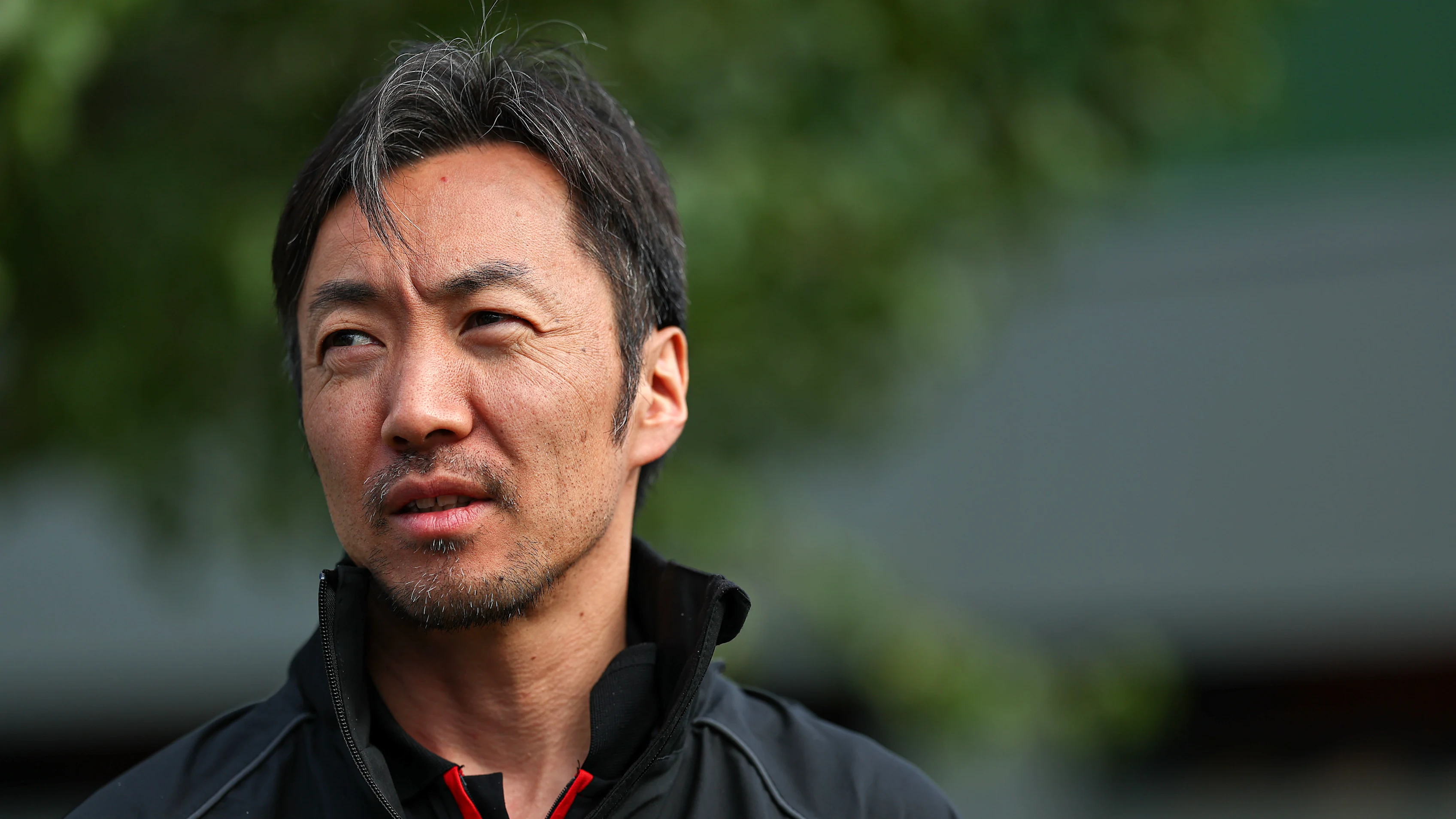
Haas team principal Ayao Komatsu has confirmed the team is installing a driver-in-the-loop simulator at its Banbury facility, part of a broader push to close the off-track development gap to F1's better-resourced teams under the 2026 technical regulations.
Speaking at the team principals' press conference at the Japanese Grand Prix, Komatsu was unusually candid about the structural disadvantages the team is fighting against — and unusually specific about the shopping list they are working through.
"We know what we are lacking. We know what we can do," Komatsu said. "We're doing parallel work, obviously making the best of what we've got. But at the same time we are in the process of installing a simulator in Banbury, as well as a few other tools."

For an F1 outfit in 2026, that admission is significant. The new power unit and chassis regulations have made simulation tools more important, not less. Active aerodynamics, complex energy harvesting and deployment maps, and tighter wind tunnel restrictions under the cost cap mean teams that can iterate cheaply in software have a multiplier effect on whatever they discover at the track.
The established works teams — Mercedes, Ferrari, McLaren-built McLaren — operate banks of correlated simulators. Red Bull's facility at Milton Keynes has been the benchmark for a decade. Haas, by contrast, has historically run a leaner operation built around its Maranello and Banbury bases and a heavy reliance on Ferrari's tools, an arrangement that has shifted over time as the team has built more in-house capability.
Komatsu's framing also captures the squeeze smaller teams feel. They cannot suddenly outspend the big four, so the language he used — parallel work, making the best of what we've got — is less about catching up and more about making sure every euro spent translates into a higher percentage of useful output.
The early 2026 results have been mixed. Oliver Bearman started the year strongly before a difficult Suzuka Q1 elimination, while veteran teammate Esteban Ocon has been quietly piecing together points-paying weekends. Without the development tools to translate track data into a faster car at the next round, those results risk becoming a ceiling rather than a starting point.
Komatsu has been around long enough — first as Haas's chief race engineer, then as team principal — to know that infrastructure spend tends to pay back over multiple seasons rather than the next race weekend. The Banbury simulator is unlikely to be ready in time to rescue the spring of 2026, but its existence is a marker of the team's longer-term ambition.
The broader story is that Haas is no longer happy to be the grid's polite outsider. Owner Gene Haas has signalled he wants to compete, not survive, and the cost cap has narrowed the gap between intent and capability. Komatsu's comments at Suzuka were a quiet update on the practical work behind that ambition: a simulator, a few other tools, and a team principal who is unusually willing to say where the deficit lies.
---
*Originally published on [News Formula One](https://newsformula.one/article/komatsu-haas-banbury-simulator-2026-development-tools-resource-gap). Visit for full coverage.*