
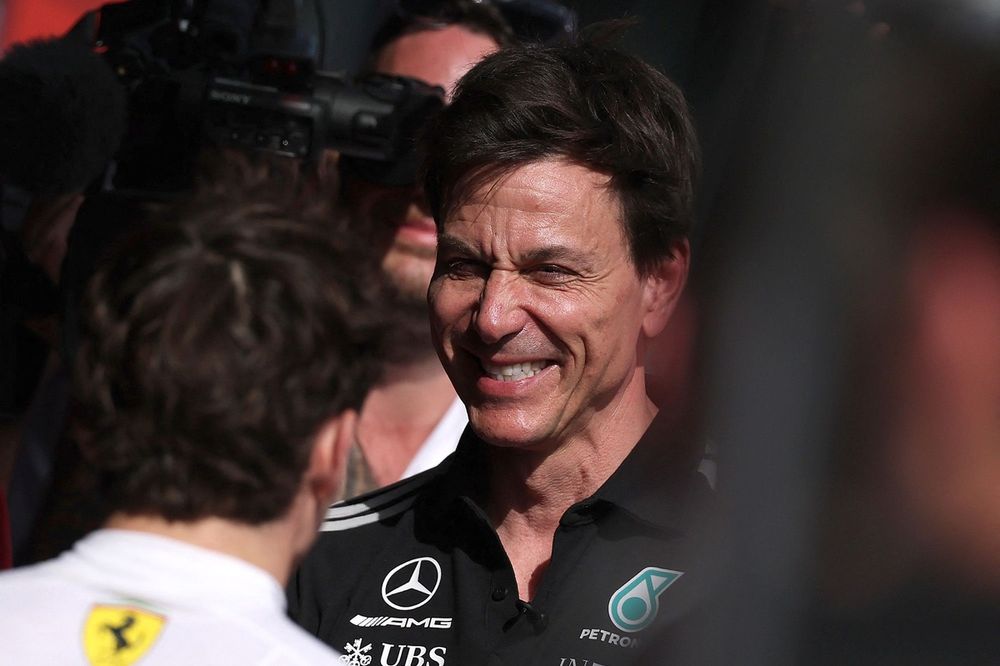
Toto Wolff is not pretending. After the Japanese Grand Prix, the Mercedes team principal openly admitted that his team's launches have been below par this season and that the works-engine head-start which Mercedes enjoyed at the dawn of the 2026 regulations is already eroding.
Wolff was speaking in the Suzuka media pen after another race in which the Brackley team had to settle for less than its raw qualifying pace promised.
"We're not giving them the easiest of tools," Wolff said of his drivers. "Our starts have generally been a bit on the mediocre side and we need to improve that."

It is a rare on-the-record acknowledgement from a team that prefers to talk about systemic strengths. Mercedes have built the fastest car in qualifying trim across multiple weekends in 2026, with Kimi Antonelli taking back-to-back poles and converting them into wins, while George Russell has been less fortunate. Race starts have been one of the few recurring weaknesses where the cars don't deliver on their stopwatch potential.
At Suzuka, Russell's weekend was set on the back foot before the lights even went out. Wolff explained that what he called a collective error in qualifying turned a potential pole-fighting car into one stuck in the midfield.
"The mistake that was made collectively in qualifying really put him on the back foot with the car," Wolff said. "The car was good for pole position. It was pretty narrow, and then obviously from Q1 it wasn't good enough anymore and he had to fight with that."
Wolff was equally blunt about the wider competitive picture. The 2026 power unit and energy regulations gave works teams an obvious early advantage, with engine manufacturers in-house at the same factory as the chassis department. That gap is closing race by race.
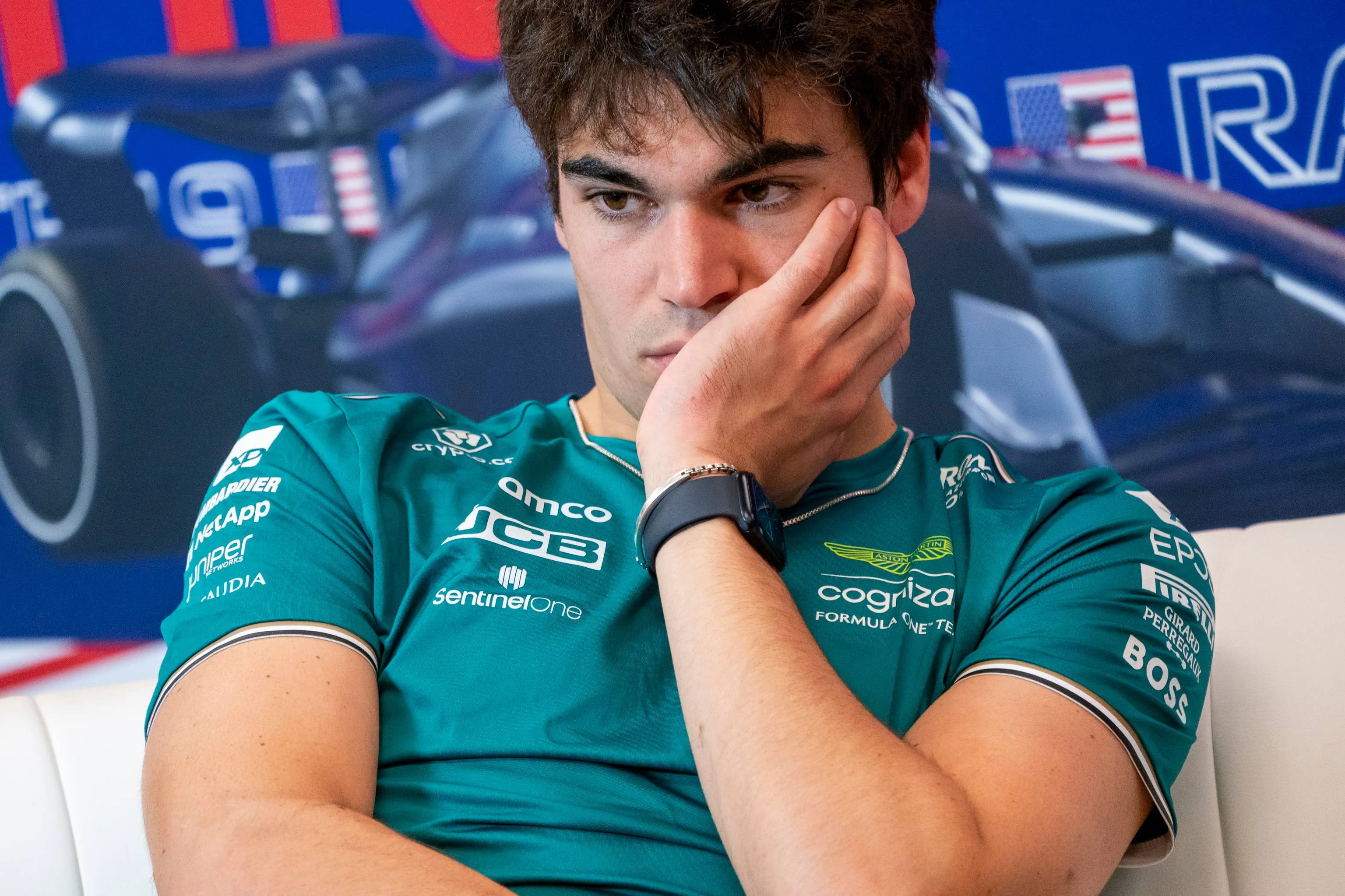
"As a works team you have a bit of an advantage at the beginning," Wolff said. "The other teams are catching up on how to harvest, how to deploy the energy. You could see today we couldn't get past the McLarens because they understood, and the Ferraris had the right strategy and energy deployment. I think it's good to watch."
The comment about McLaren is significant. McLaren team principal Andrea Stella, sitting alongside Wolff in the same press session, said separately that Suzuka's FP1 had been the smoothest power unit session McLaren had run all year — the result of close work with HPP, the Mercedes engine arm in Brixworth that supplies their cars. The fact that Stella's customers are catching the works team in the same building is a particular kind of compliment.
For Wolff, the immediate to-do list is concrete. Improve the launch procedures so Antonelli and Russell stop bleeding positions in the first 200 metres. Avoid the kind of qualifying decisions that cost Russell at Suzuka. And accept that the 2026 advantage is melting at the same rate the rest of the grid is learning the new rule book.
That last point may be the most strategically important. Mercedes have been the early benchmark of the new era, but Wolff's own admission is that the gap is closing fast. The next phase of 2026 is no longer about discovery; it's about execution — and Suzuka was a reminder that Mercedes still have work to do on the basics.
---
*Originally published on [News Formula One](https://newsformula.one/article/wolff-mercedes-mediocre-starts-energy-deployment-japan-suzuka-2026-russell). Visit for full coverage.*